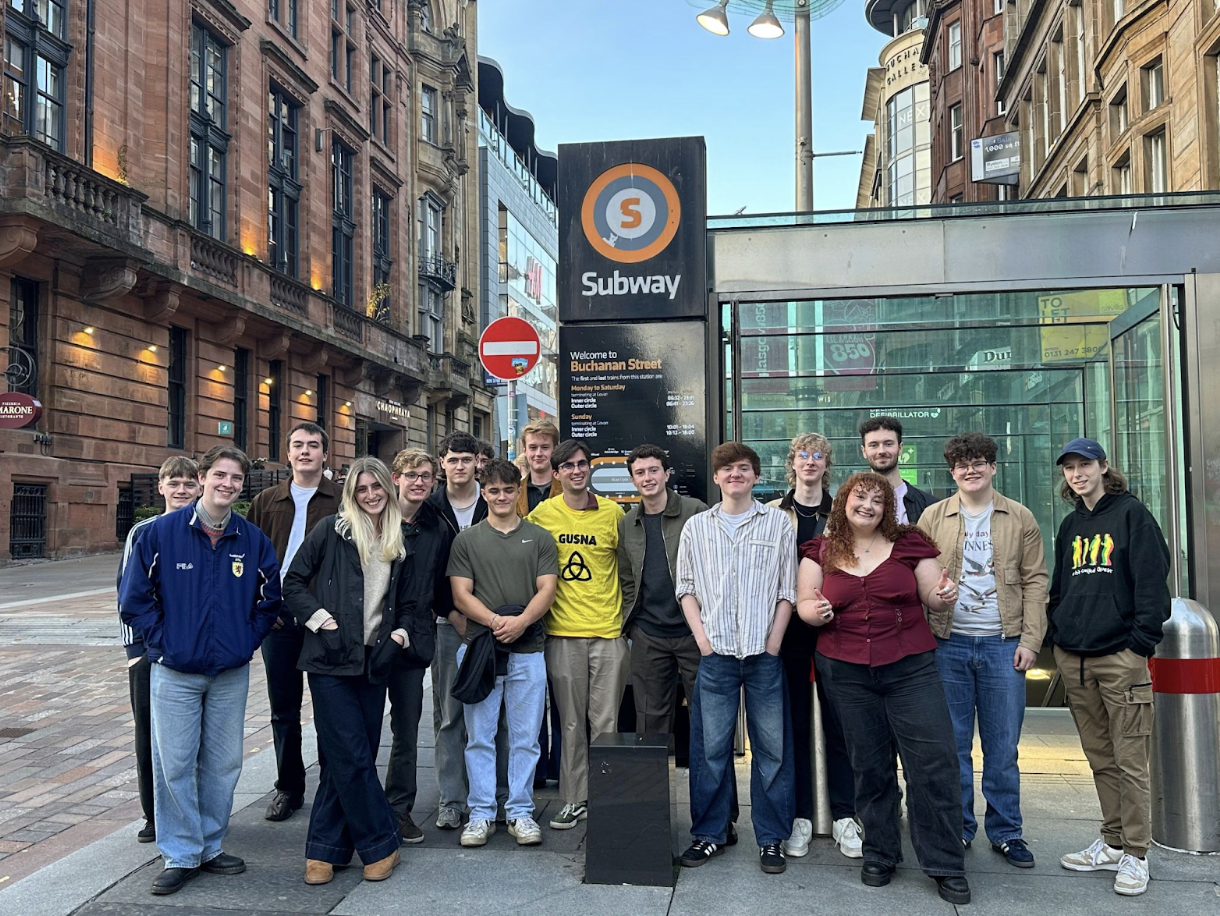
Seventy five years ago, four intrepid students at the University of Glasgow set off for London. They did not go for sightseeing or for a festive visit to Parliament. They went to bring the Stone of Destiny back to Scotland after centuries of absence, a symbolic act intended to challenge the quiet acceptance of Scotland’s constitutional subordination.
Those four happened to be members of the Glasgow University Scottish Nationalist Association. Anyone who has made the mistake of asking me about the society will know I can talk about its history for far too long. Yet it is hard not to dwell on it. From the heist in Westminster Abbey to the early days of what would become the SNP, GUSNA has always punched above the weight that the phrase student politics tends to imply.

Founded in 1927, the society has changed almost beyond recognition, yet it retains its defiant upstart spirit. The Gilmorehill Globe of the early twentieth century depicts a group struggling for relevance at a time when scrawny Scottish nationalists could count themselves lucky to reach ten percent in the polls. Marginal, unfashionable, and often dismissed, they nevertheless persisted.
Today, we are a different kind of marginal group: overstretched students oscillating between committee meetings, socials, and the simple task of passing our degrees. The hostility is no longer ridicule but apathy. At a time when party politics feels drained of life, and membership carries the lingering suspicion of being a hack, the question is no longer whether student politics is taken seriously, but why anyone should bother with it at all.
The honest answer is that you need to be wary. Student politics attracts everything from brief case toting sycophants to the sort of procedural purist who delights in derailing a meeting over an obscure constitutional clause. But even with the frustrations, something valuable remains. Students of our generation have good reason to mistrust party politics. The distance between what is promised and what is delivered feels wider than ever, and that gap is maintained by a political landscape that rewards attention to older voters above all else. Parties cater to those who turn out, young people see that, and turnout falls further. The cycle repeats. In that context, political societies offer a space where students can push back and articulate the change they want to see.
Students of our generation have good reason to mistrust party politics.
The society I see today gives me hope. For all the monikers that an independence supporter might receive as a so-called blood and soil nationalist, the GUSNA of today, and of years gone by, is one that prides itself on diversity and a commitment to progressive politics on campus. We can point to moments such as campaigning for the desegregation of the Glasgow University Union or supporting the rectorial bid of Winnie Mandela.
With five nations represented on our current committee, I see embedded within our organisation the values I believe in: a pro European and outward looking community that welcomes people rather than excludes them. From canvassing across the city to hosting MSPs to discuss housing policy, we try to push for the politics we want to see, challenging the rhetoric of hate thrown at migrants by Reform UK, austerity cuts implemented by both Labour and the Conservatives, and a foreign policy that aids and abets genocide.
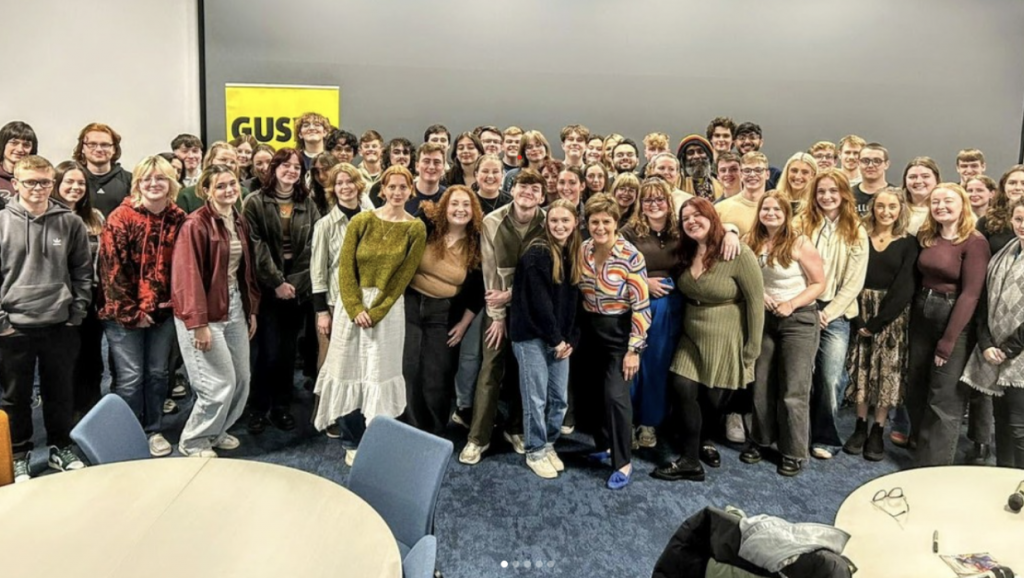
At the same time, part of our work involves contributing to the internal conversations within the SNP with a sense of realism about what devolution allows. Independence is our shared goal, but we also know that meaningful change does not need to wait for a constitutional break. Within the party we try to make the case for an unashamedly radical social democratic Scotland that steers clear from neo-liberal consensus politics , pushing for further public ownership where it is feasible under the current settlement, for a fairer approach to taxation where the wealthiest are expected to contribute more, and for stronger support for students who face growing pressures around housing, living costs, and mental health. We recognise the constraints that come with a devolved framework, yet student voices can still help shape priorities and keep the movement grounded in the needs of the generation that will live with the outcomes.
What keeps me involved, through the chaos and the committee deadlines and the occasional ideological identity crisis, is the sense that student politics is one of the few places where young people still get to imagine a different future. GUSNA’s history is full of students who refused to accept the world as it was handed to them. Being part of that story, even briefly, feels like a small act of defiance against the forces that tell us to disengage. If that is all student politics offers, it is still more than enough.


Leave a Reply to tderkhtimds Cancel reply