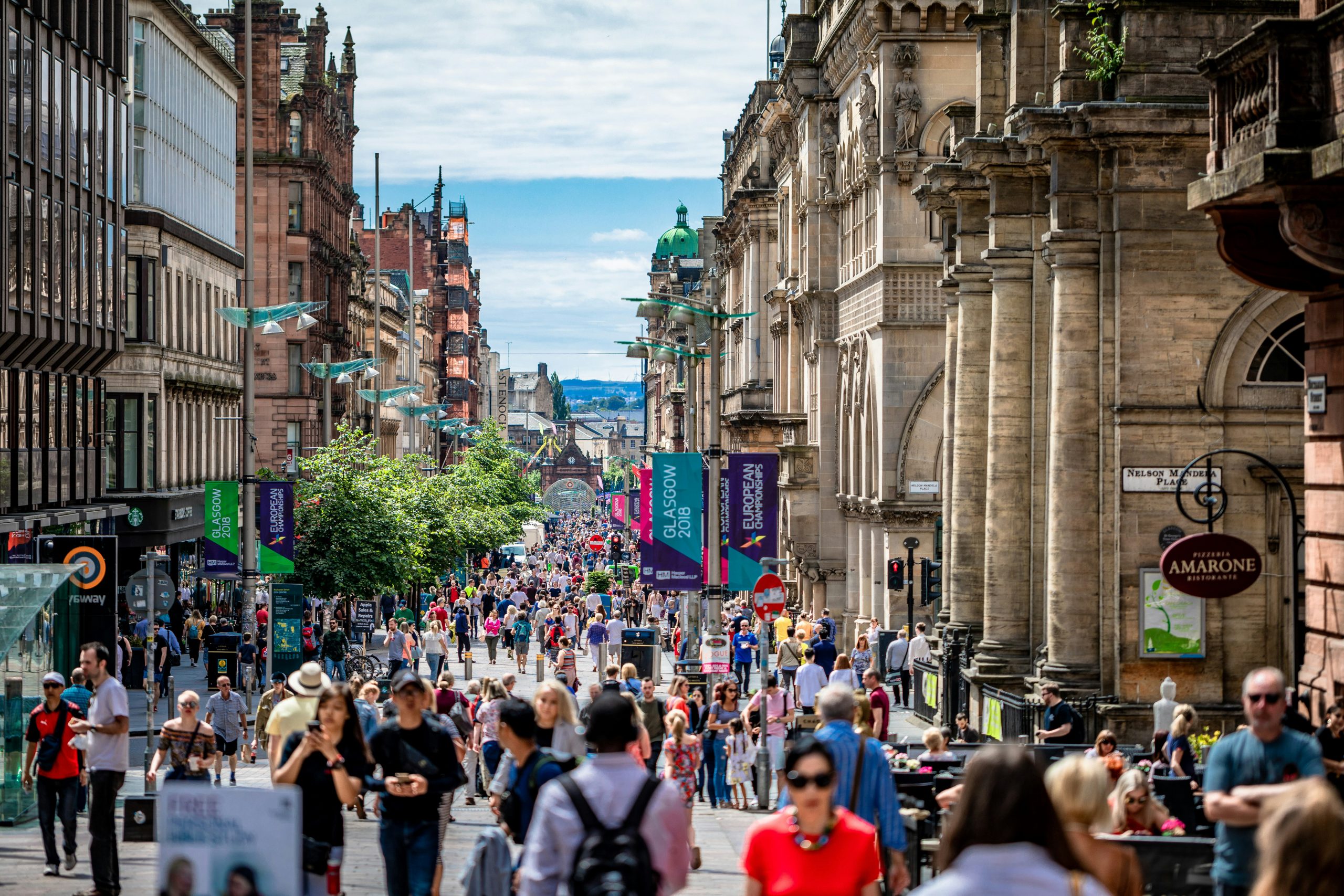
The spread of the city has brought with it a surge in light and noise pollution, large-scale urban cover and intensified human activity; a drastic transformation to once natural habitat.
Researchers have begun turning attention to the influence of such cityscapes on wild animals and projects such as Glasgow as a Living Lab Accelerating Novel Transformation (GALLANT) are revealing unexpected trends.
A well-established notion is that generalist animals adaptable to a range of environments tend to succeed and dominate in urban habitats while more specialised species face declines.
Within Glasgow, animals have indeed shown some novel lifestyle changes. Urban red foxes, for example, are showing skull morphology changes reminiscent of early domestication. Birds have begun to nest on buildings and bats now feed on insects clusters around street lights. Whilst these traits suggest shifts to success, they represent a fundamental reshaping of fundamental ecology and it does not stop there.
What is only recently coming into focus is how city living is influencing the activity patterns of wildlife inhabitants. Whilst some species appear to be adapting to life alongside humans, they have not done so without facing severe shifts in core biological systems.
Emerging research has begun to uncover dramatic shifts in daily activity cycles, suggesting that mechanisms as innate as the circadian clock are being altered by city life.
Natural daily cycles rely upon stable environmental cues such as light and temperature. When urban environments distort these signals, entire ecosystems may face disruption.
In Glasgow, urban birds are losing the daily undulations seen in their woodland counterparts. Other animals are altering cycles in an avoidance effort; red foxes are showing greater nocturnality in Glasgow and overwintering birds similarly adjust activity to when human presence is lowest.
Such shifts lead to mismatches between predator-prey interactions and disrupt essential species relationships. As these systems begin to unravel, the consequences are expected to reshape whole community dynamics and key ecological processes.
Shifts in fundamental biological rhythms highlight a growing concern; adapting to urban life is far more complex than a simple relocation to the city. For Glasgow’s wildlife, the cost of coexistence may be a profound transformation in the systems that have shaped entire ecosystems, ecosystems that we all rely upon.
Leave a Reply