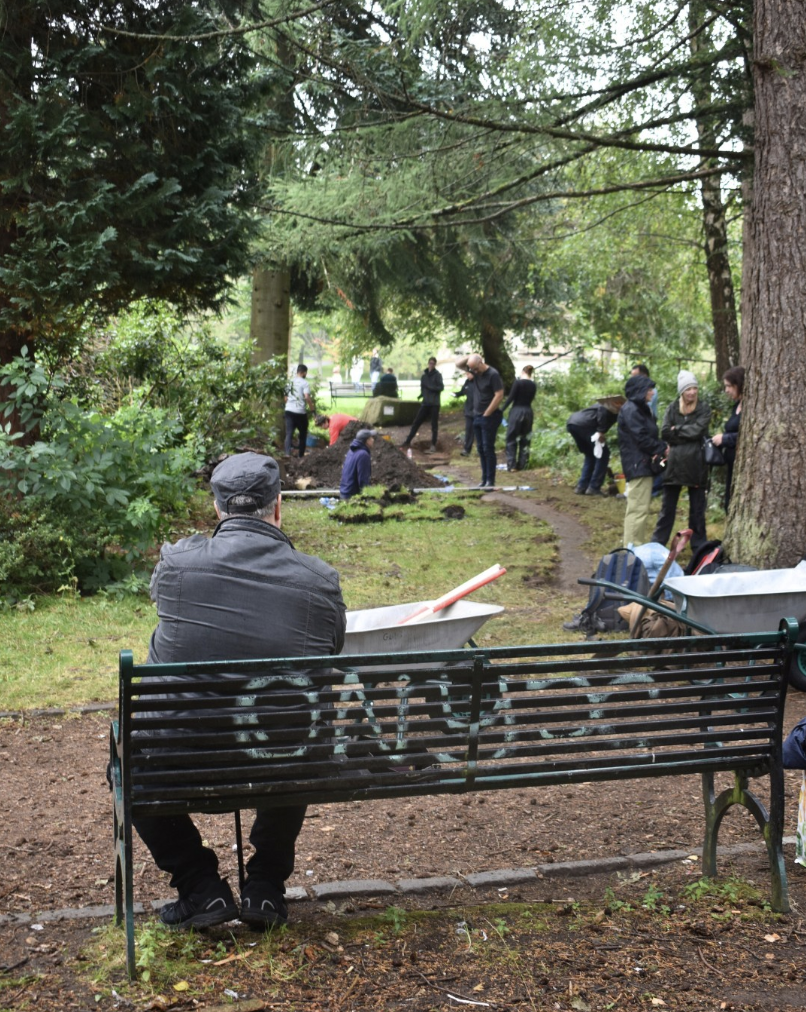
Between August 25 and August 29 2025, a piece of history little known by those who frequent Kelvin Grove Park re-emerged in a world-first archaeological excavation of a skatepark. The dig was led by University of Glasgow Archaeology Professor Kenny Brophy in collaboration with local skateboarder and Clan Skates proprietor Jamie Blair, who skated the park as a youngster. The excavation brought together volunteers from the local student population and the wider skateboarding community. Also, volunteers arranged by the Scottish Refugee Council participated with direction from Kieran Manchip.
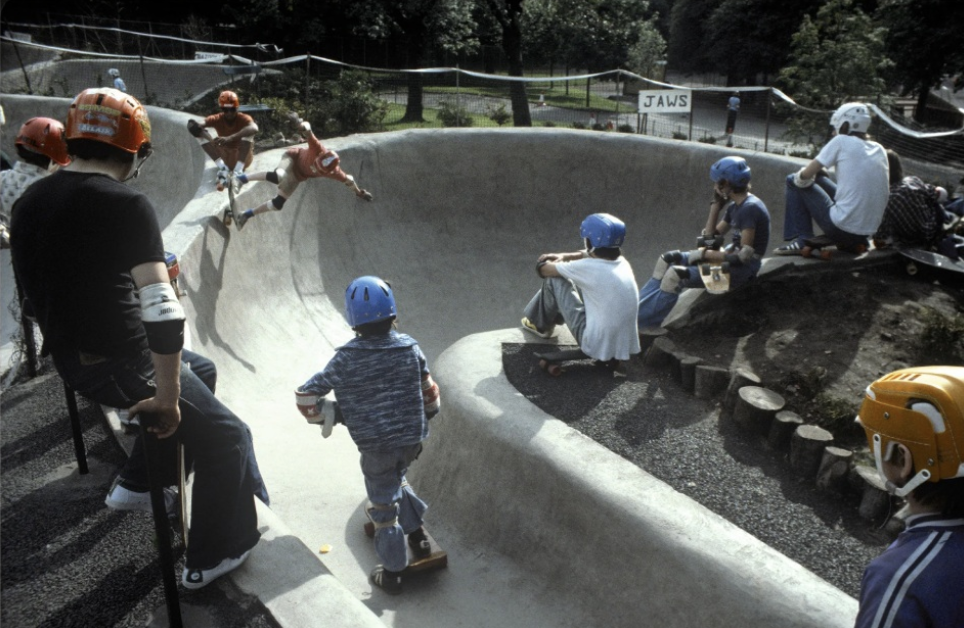
Nestled at the heart of Kelvin Grove Park, among the trees next to the Stewart Memorial Fountain, Scotland’s first major concrete skatepark, Kelvin Wheelies Skatepark, is still partially visible today. Built by Glasgow City Council during a time of prosperity for the council and skateboarding, it opened in May 1978. The park was extensive, featuring bowls, a slalom run, and a half pipe, along with toilets, a ticketing system, and marshals. The park attracted thousands of visitors and hosted multiple events, including the first Scottish national skateboarding championship, in which the Glasgow skaters dominated the bowl competitions.
Despite its popularity, repair costs and safety concerns, along with the construction of a competing skatepark in Livingston designed by Iain Urquhart, led to its closure sometime between 1982 and 1984. Although the park is still glowing in many people’s living memory, the year it was filled in has long been a topic of contention and has necessitated the excavation as an effort to date the closure.
Due to the extent of work required to deconstruct the concrete park, it was instead filled in with rubble and soil. The highest points of the ramps are still clearly visible. For the past 40 years, the park has jutted from its burial ground between the trees, it’s presence has long been pondered by locals not around at the time of its opening. The protruding tops of the concrete bowls could easily be mistaken for purpose-built flower beds, and the excavation found that fertile soil has since been laid in one of the bowls for such purpose; however, the concrete from the long, straight slalom run is less easily explained. Kenny Brophy, the project’s lead archaeologist, initially believed the structure may have been part of a former train station before uncovering its true origin.
The objective of the dig was to find clues among the rubble used to fill in the park and, hopefully, determine what year the park was filled in. Six trenches were dug across four sections of the park. In the end, the answer came not from concrete or council records, but from discarded Penguin biscuit wrappers and a single Twix wrapper. With best-before dates labelled March and May 1983 respectively, the timing was decisively set. The park was filled in 1983, by May.
With the work of Professor Kenny Brophy and the team, along with the media coverage, BBC documentary ‘Digging for Britain’ feature released January 7, and University Arts and Humanities Podcast ‘Stories from Glasgow’ Episode Three, the park has once again seen the light of day. Although the site has since been re-covered, the work of the archaeological team ensures that Kelvin Wheelies will not simply slip back into obscurity but remain recognised as a vital part of Glasgow’s skateboarding and social history.
The Kelvin Wheelies excavation received a £1102 grant from the Society of Antiquaries of Scotland. Participants are listed on the University of Glasgow website as Anthony Campbell, David Sandham, Hannah Baird, Hannah Iqbal, Emma Carstairs, Maya Ferrari, Stan Clark, Stuart Anderson and Owen Hurcum; Carlos, Salah and Kaleab.


Leave a Reply