While browsing charity shops on Victoria road earlier this year, I chanced upon a bargain: The Matrix trilogy, three films for just £1.50, still in the original shrink wrap from HMV. Back in 2011, according to the original price sticker attached, this cost £20. I was surprised at the price at first, before realising I had spent at least that, if not more, on subscriptions to streaming services in the past year.
With the price of a standard Netflix subscription now £12.99 and with the segmentation of streaming services, many students are considering whether they are really getting value for money. Films move from one subscription service to another as rights expire and are exchanged. Episodes may disappear from services altogether, sometimes with little warning – such as when 45 episodes of Brooklyn 99 were removed from Netflix in February this year. Even use of a VPN may not be enough to bypass regional film availability, with some services displaying only films with global rights to VPN users.
There is also a perception that streaming platforms are out of touch with audiences, and physical media such as DVDs may better support an artist. The leak of Avatar Aang: The Last Airbender on X earlier this year followed the decision of Paramount to release the film solely on its platform Paramount+ and not provide the film a cinema release. Streaming services are effectively a paywall – where anyone can buy a cinema ticket or buy a DVD, not everyone can access or are willing to surrender card details for a rolling subscription to watch a film. A portion of DVD sales will directly support an artist, versus a subscription fee that leaves the system.
But is the drive for physical media primarily due to cost and convenience, or are there other factors associated with the regeneration of DVDs and their higher definition cousin, Blu-Ray?
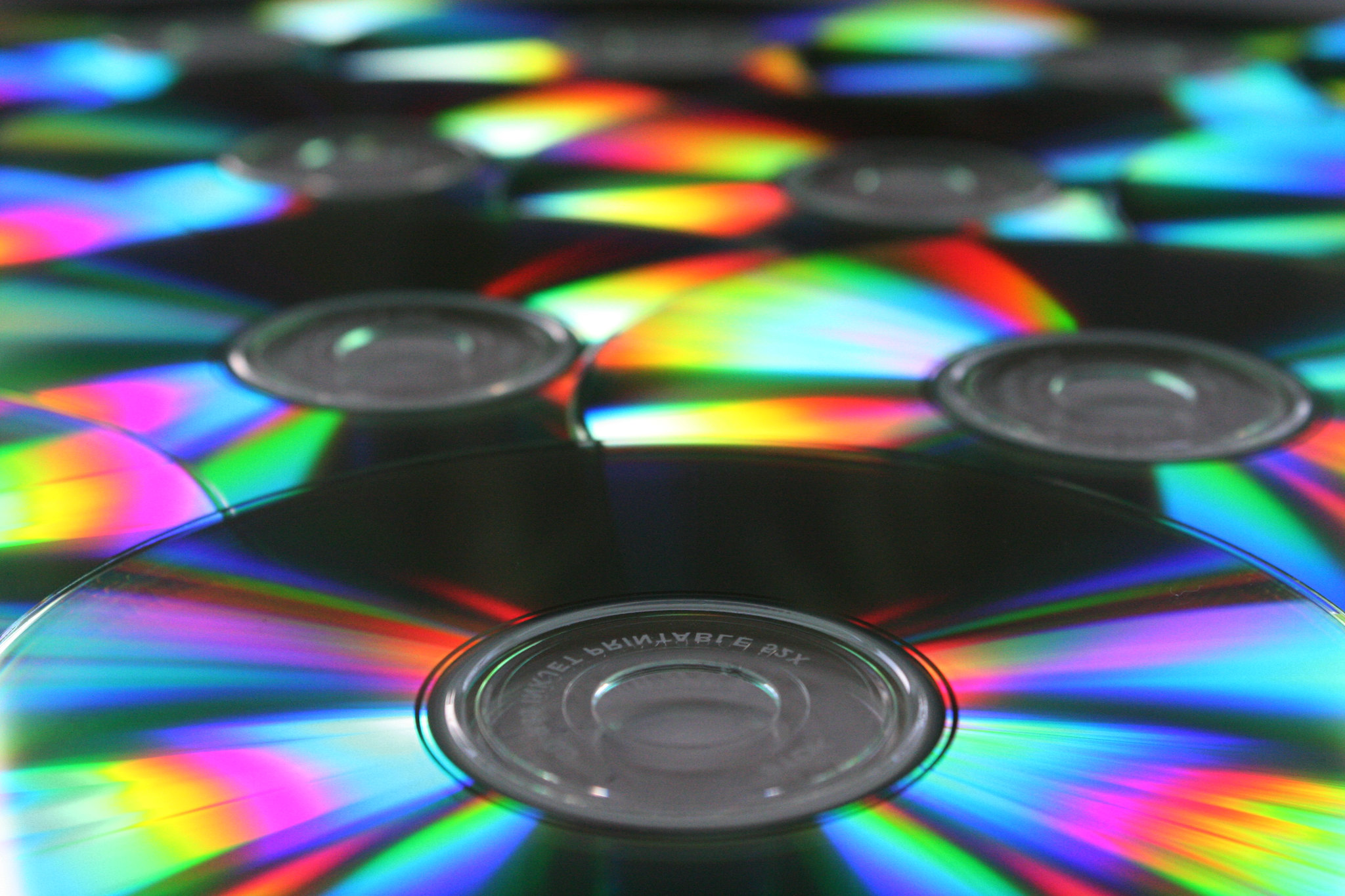
DVDs have a plug and play feel to them – there’s no buffering, no error codes or sudden disconnect, and no need for a stable internet connection, ideal in house-shares where multiple users may be on the same network simultaneously. There’s a pleasing physicality to opening the DVD case and inserting the shiny disc into the drive, its surface scattering rainbows on the walls as they catch the light. DVD and Blu-Ray discs play at higher resolution and with better sound quality because they do not require the compression necessary for streaming. Colours seem richer when played on DVD, and sound is clearer.
One delight of DVD collecting is discovering the behind the scenes footage and bonus content stored on the disc, such as interviews with the cast and deleted scenes, unique content which may be harder to find online. The Avatar: Extended Collector’s Edition DVD adds 16 minutes runtime to the film, and contains a full 45 minutes of unfinished deleted scenes. The 25th Anniversary edition of Jaws includes a 50 minute documentary ‘Spotlight on Location: The making of Jaws’, notes from production, and deleted scenes that were sufficient to reclassify the film from a PG to a 12 certificate!
Furthermore, when you buy a DVD, you own it. This may sound obvious but it needs to be made clear – buying from online platforms does not mean you own a title but a “non exclusive license to the Paid Services” in the words of Youtube Movies and TV terms of service. On the 1st September Playstation removed all films from Studio Canal from customers video libraries, even if they had bought them. This could have implications for censorship – if films can be removed from digital collections at any time, what is stopping changes being made to films in digital collections? DVDs preserve films as the directors intended them to be watched, at least for that pressing.
Gamers may already have access to a DVD and Blu-Ray player in the form of their PS5 and PS4 consoles, sidestepping the steep cost of a dedicated DVD player, which can retail between £20 and £30 and may be region locked, and much more for a dedicated Blu-Ray player. There is also the option of an external DVD drive for laptops, many of which can be purchased for just over £10 on sites such as Amazon and eBay. Install an open source media player such as VLC media player and you’re good to go.
For accessing DVDs themselves, there are many options in Glasgow to choose from. For the latest releases such as Project Hail Mary traditional retailers such as HMV on Argyle street and Fopp on Union street still sell new DVDs, but there are several smaller independent retailers in Glasgow selling used and rarer DVDs and Blu-Ray. Missing Records on Oswald Street in the city centre and Oxfam Music on Byres road are examples, both of which are also good places for discount CDs. Charity shops in the west end are known places for DVD and analogue media collecting in general, but it is also worth browsing shops further afield in Partick or Glasgow’s Southside, where DVDs can retail for pennies. Finally it would be amiss to not mention Glasgow libraries, where DVDs can be borrowed for free and who also frequently hold sales for ex catalogue titles.
For as long as streaming platforms continue to increase prices, and films leapfrog between services, or disappear altogether, analogue media will continue to grow. Analogue media offers a superior viewing experience and the certainty that as long as the DVD is in your collection and you have the space to store it, it can be played at any time.
Image Credit: CDs or DVDs, mlange_b, CC-BY-SA 2.0